
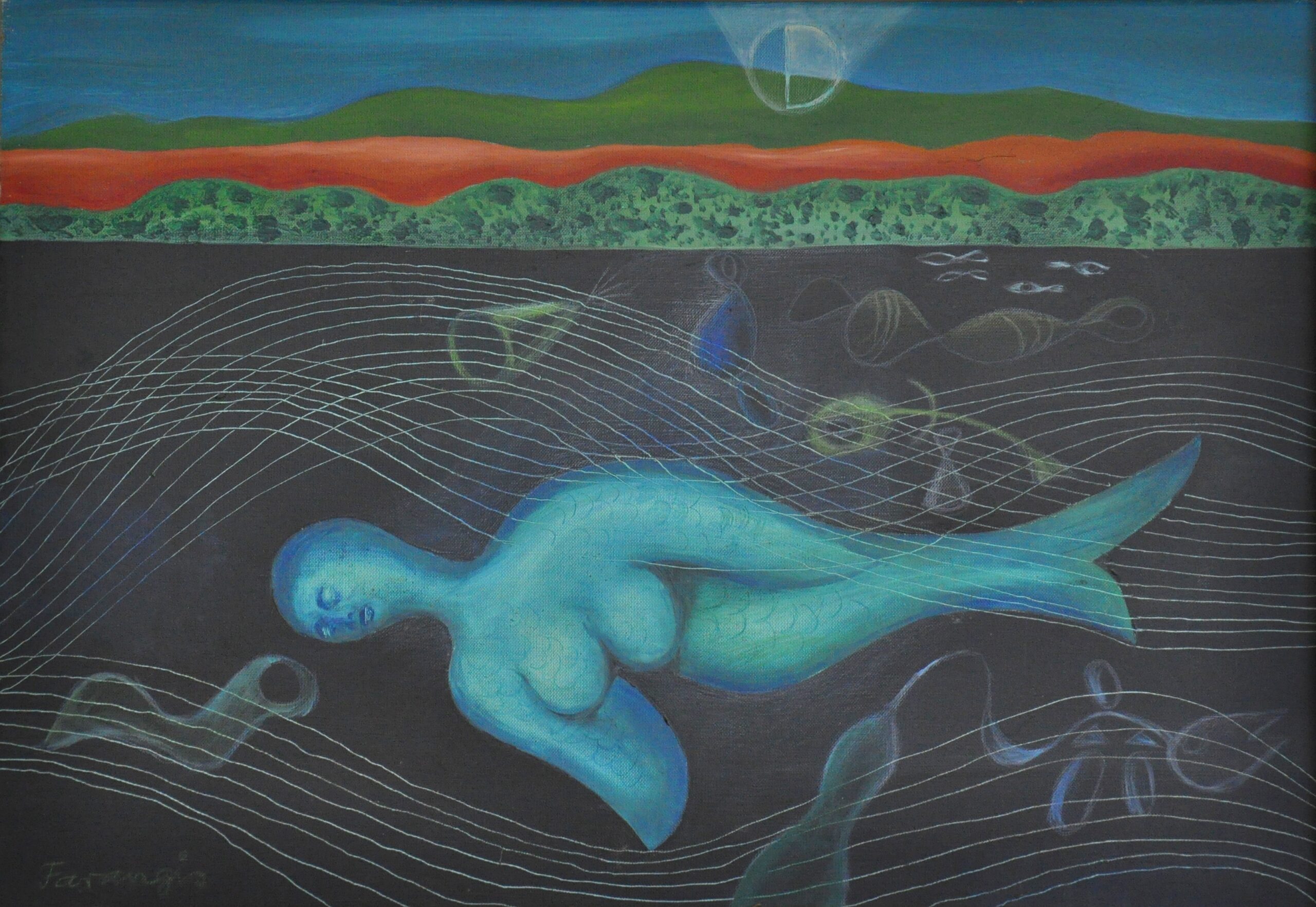
دین ، پیش ازساسانیان درایران، سکولار(زمانی) بوده است. خدایان ایران، خدایان زمان بوده اند. خودِ خدایان، « زندگی در زمان میشده اند». زندگی در زمان، برترین ارزش میشده است. با چیرگی آموزه زرتشت، و خدایان نوری در مسیحیت و اسلام، ادیان ِضدسکولار، بوجود آمده اند که زندگی فراسوی زمان را برترین ارزش میسازند
–
Religion in Iran before the Sassanids was secular (temporal). The gods of Iran were gods of time. The gods themselves became “life in time.” Life in time was considered the highest value. With the dominance of Zoroastrianism and the gods of light in Christianity and Islam, anti-worldly religions emerged that elevated life beyond time to the highest value.
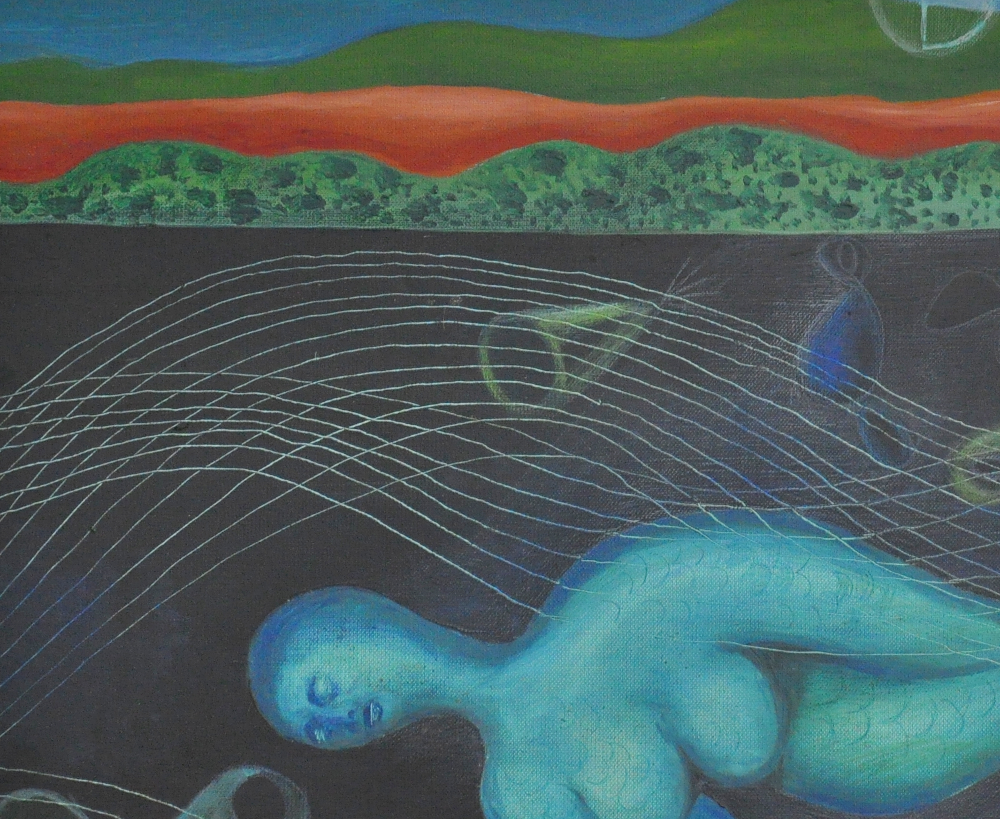
Atemporality, Being and the Devaluation of Life
Palang LYA
Religion in Iran before the Sassanids was secular in the true sense of the word: temporal. The Iranian gods were not timeless entities, but gods of time. They did not exist outside of becoming, but as becoming itself. The gods did not ‘live’ in another sphere, but were life in time. Thus, life in time was considered the highest value: not as a test, as a passage, but as a fully valid form of being.
In this ontology, fire – which is life itself – is not a symbol but an ontological reality: life that ignites itself in synergy and transforms itself. Reason is not a norm imposed from outside, but the creative order at work in life itself, manifesting itself in change, rhythm and relation. The deity does not appear monolithic, but as a diverse, expanding reality – as Simorgh or Artha – that exists only in being in time.
With the enforcement of Zoroastrian teachings and the light religions of Christianity and Islam, this relationship between being and time underwent a radical shift. Fire became linked to Ahura Mazda or a timeless god, guarded and symbolically represented.
Time is detached from the ontological substance of life and becomes a deficient space: a stage for testing, a means of moral probation, a place where life is devalued. Life itself loses its inherent creative reason and becomes a means-end constellation, a passageway, not a whole and a realization.
The original Iranian way of thinking offers a radical counter-thesis to this: existence is temporal. Life is self-creating, inherently reasonable, and requires no justification from an “afterlife.” The devaluation of life begins where existence in time is denied.
—